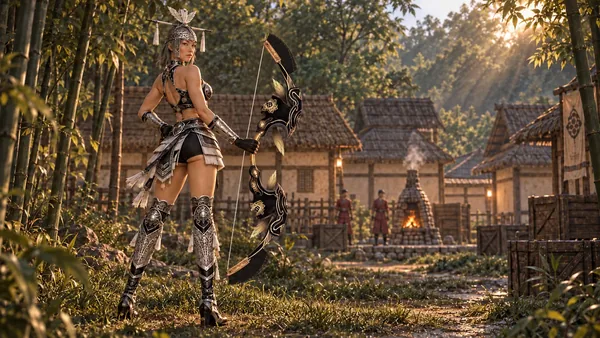
The Archer under Narootuh’s Lanterns
A bow, a feathered headpiece and a familiar village: three new photographic scenes explore the Archer between hunts.

PHOTOGRAPHIC ESSAY · KALONLINE MEMORIES
Six scenes revisit the roofs, paths and quiet pauses that can make a game town feel like somewhere you once knew.
Kal2006 Editorial · 18 October 2026 · 2 min read
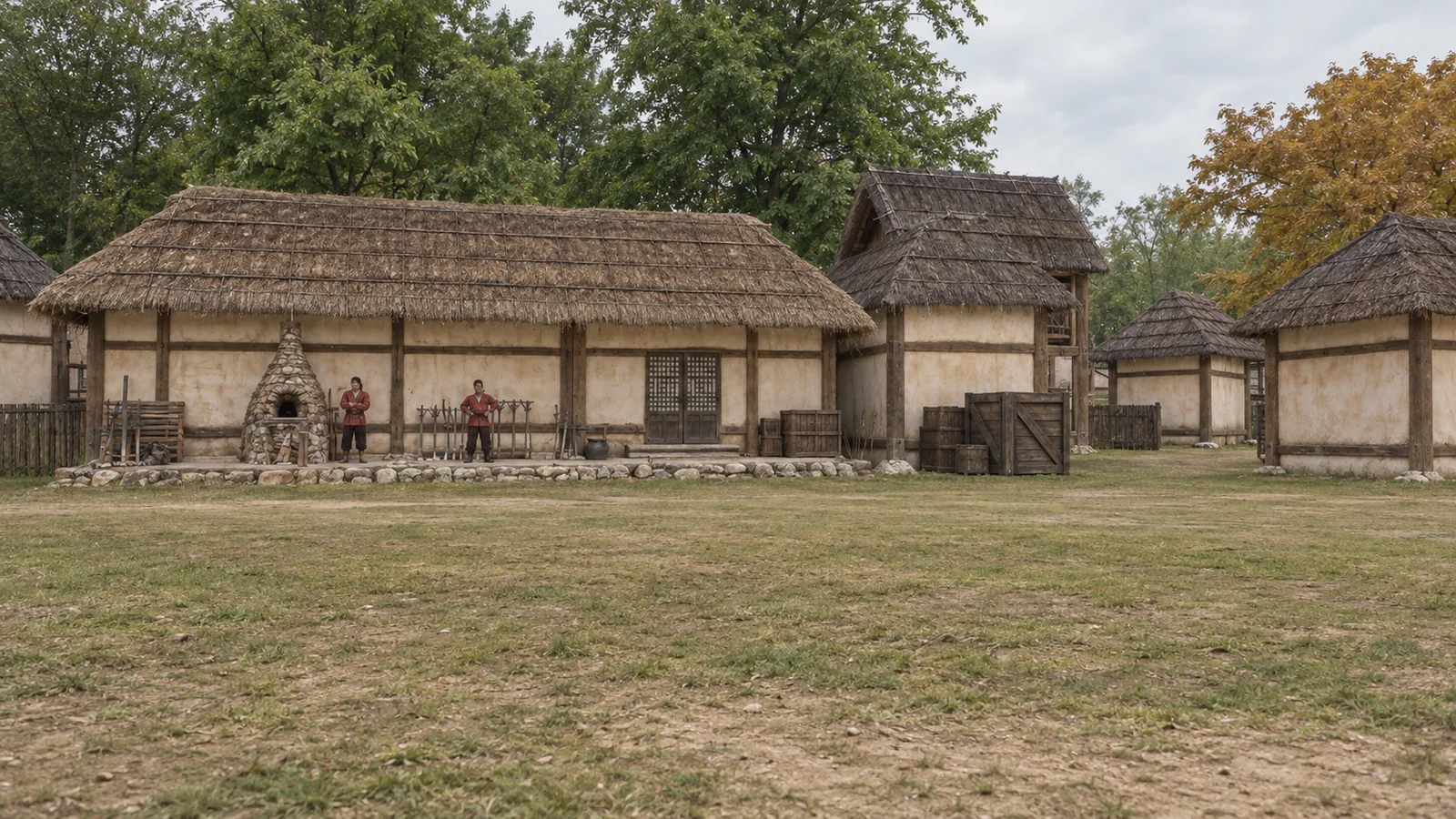
Sometimes returning to an old game is less about remembering a rule than recognising a route. A roof appears at the edge of the screen, an open space gives way to a building, and you already have an idea of where to go next. A town can hold that kind of memory even when you cannot place the year.
This is a visual essay about those ordinary moments. The six pictures are modern photographic interpretations made for Kal2006, not recovered photographs of a real village or original screenshots. Some begin with native village references; others study the imagined physical objects that might sit between one journey and the next.
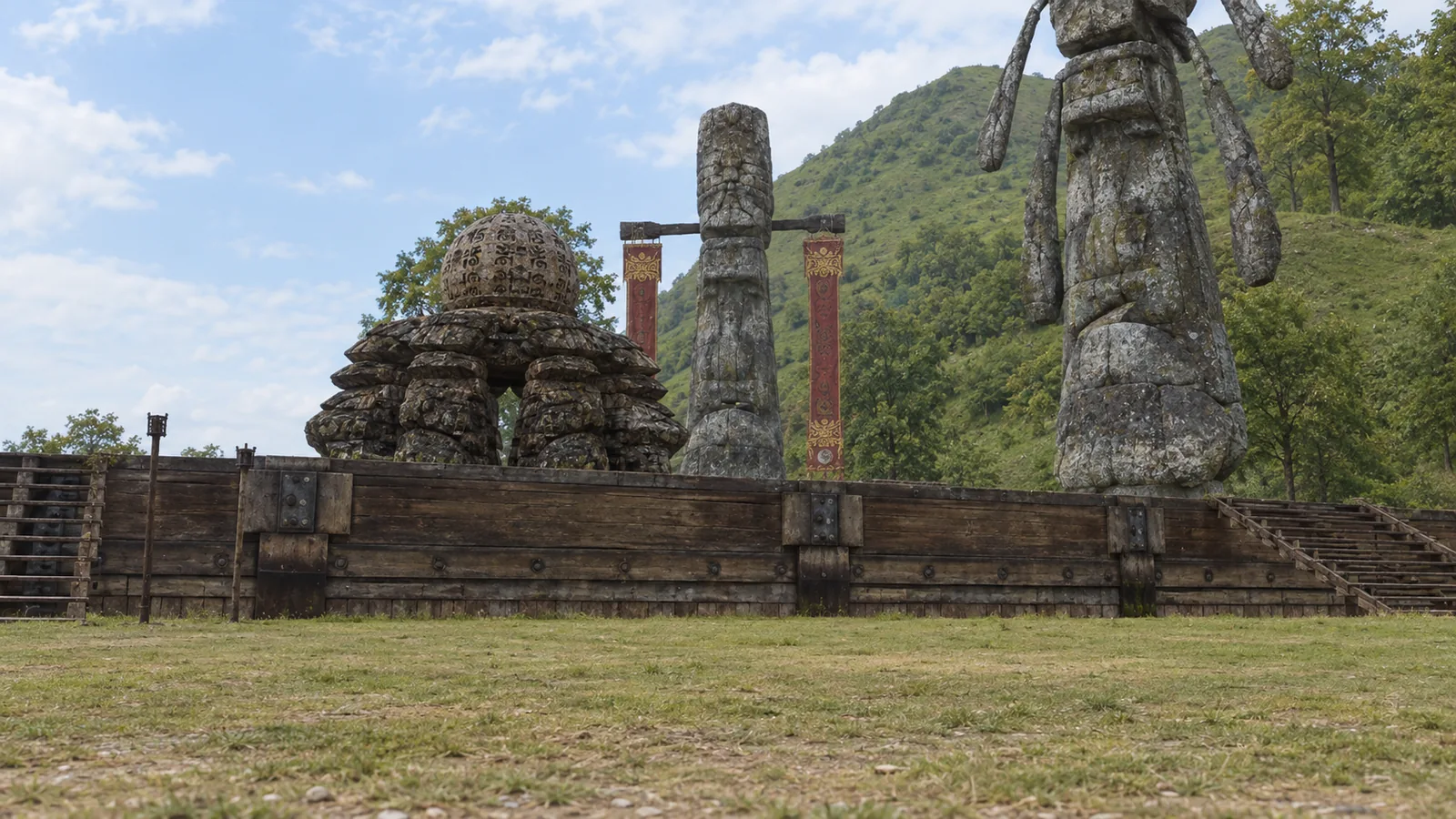
The stone figures offer a different kind of orientation from a written map. Their outlines can help a scene feel familiar before a reader has identified its details. The photographic reconstruction gives the stone a surface and the atmosphere a depth, while keeping the distinction between reference and invention visible.
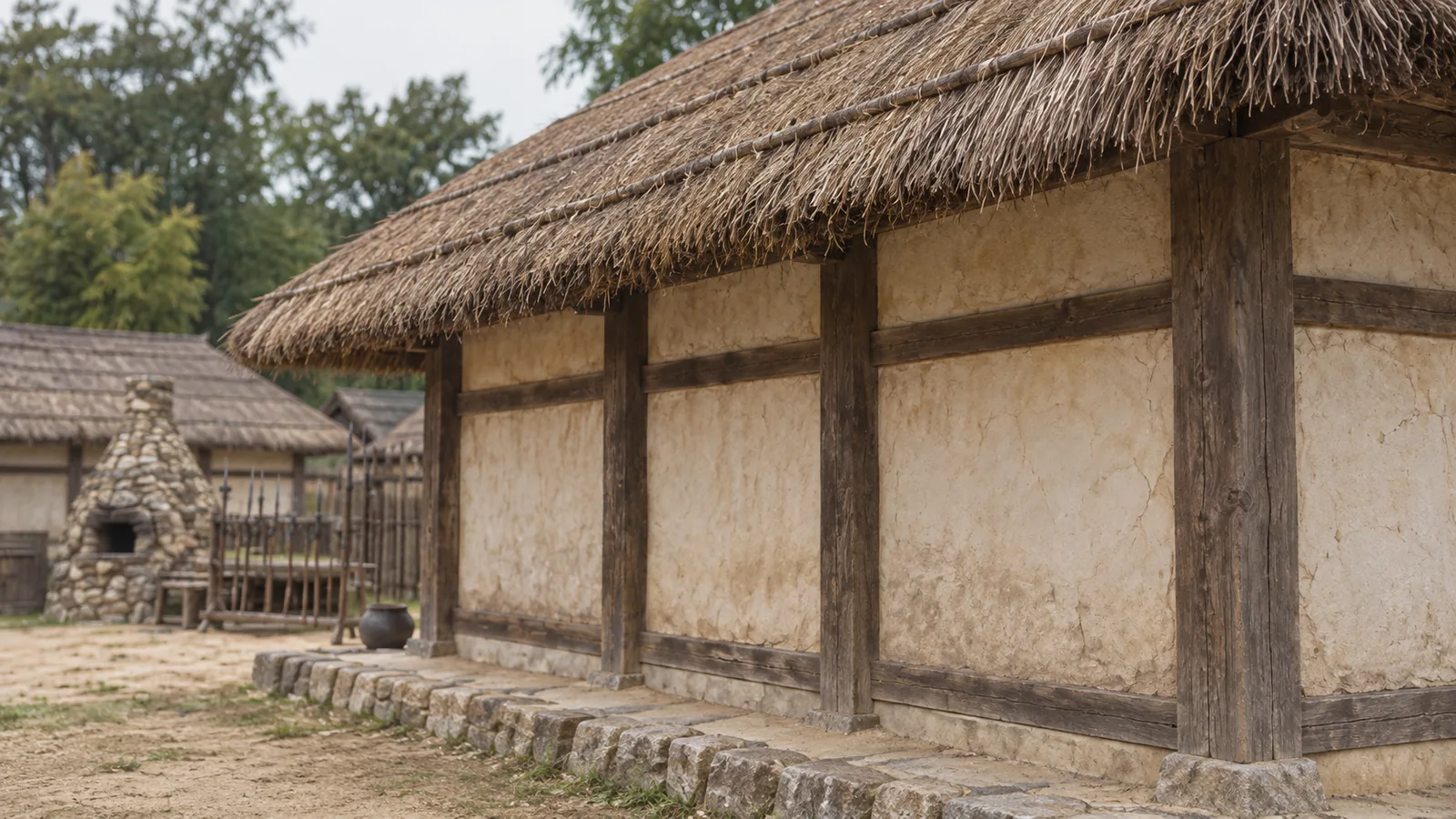
Look next at the roof detail. It changes the scale of attention: the location is no longer a distant backdrop but a collection of materials and edges. That close view is an artistic way of looking at the game’s architecture. It does not establish the historical construction of a real Korean building.
A weapon grip and a table of paper charms slow the story down. Instead of showing a dramatic strike, they suggest preparation. A player might remember checking equipment, clearing an inventory or waiting while the rest of the party became ready. No invented quotation is needed to make those possibilities legible.
The linked equipment articles ask a different question: how familiar item names connect with language, craft and belief. Those essays provide their own sources. Here, the objects are a visual bridge between the cultural reading and the game world we remember.
The returning Archer gives the essay its direction. She is a fictional figure within a new image; her journey is not an account of what a named player did. That leaves room for actual players to supply their own experience instead of being assigned one.
Tell us which server you remember and what made the town your meeting place. If a name in the ranking archive belongs to you or somebody you knew, follow it to its page. A screenshot, a correction or a clearly identified recollection can add something the new artwork cannot supply on its own.
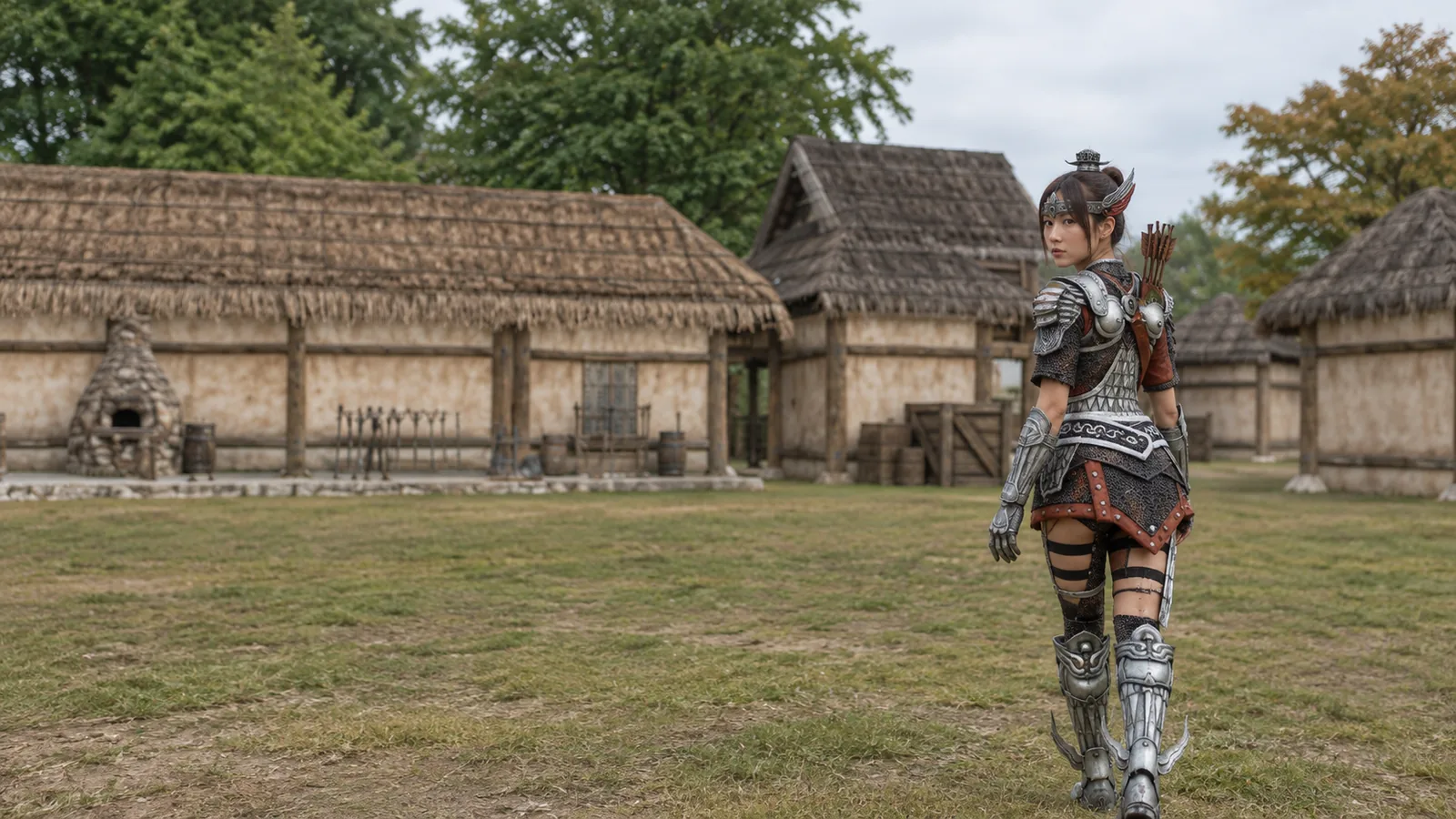
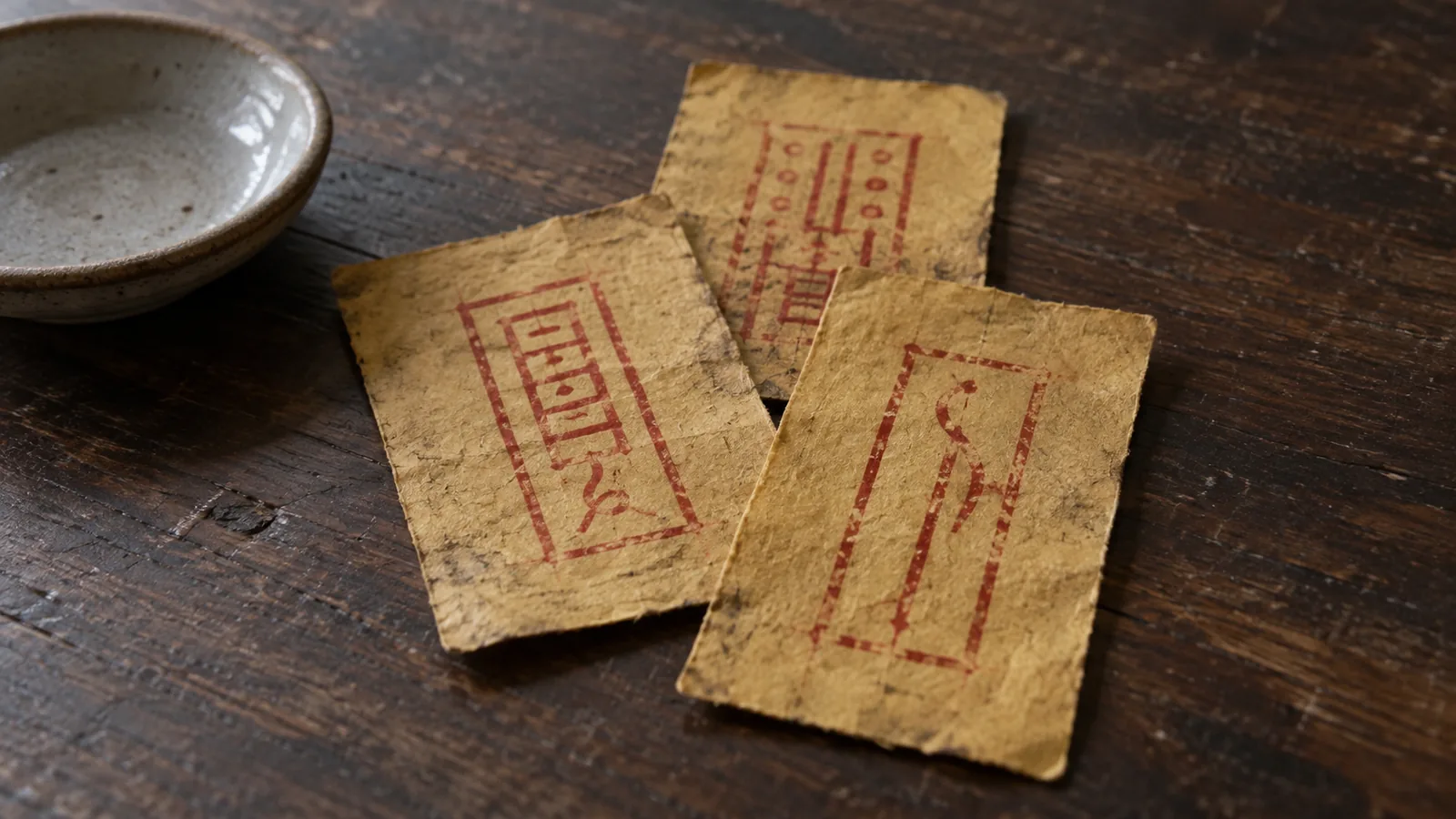
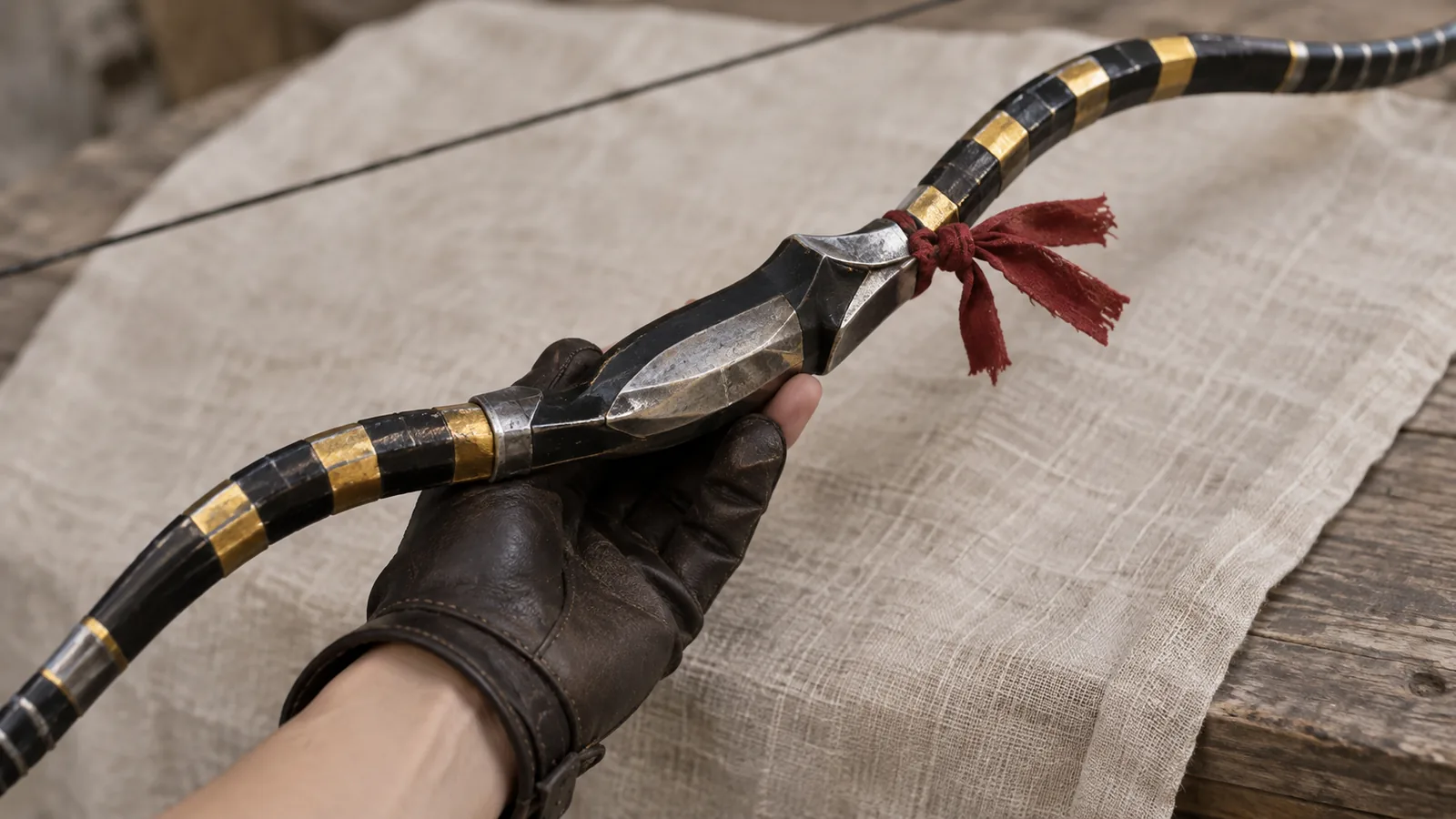
New AI-generated photographic interpretations of KalOnline references. These are not original 2004–2007 screenshots, historical photographs or verified portraits and inventories of real players. Follow each image to its story or archived character record.
This is an editorial response to newly created artwork, not a report of events involving the pictured characters. Equipment, locations and costumes are game-reference interpretations; factual cultural research is linked separately.
Share a memory or correction →A bow, a feathered headpiece and a familiar village: three new photographic scenes explore the Archer between hunts.
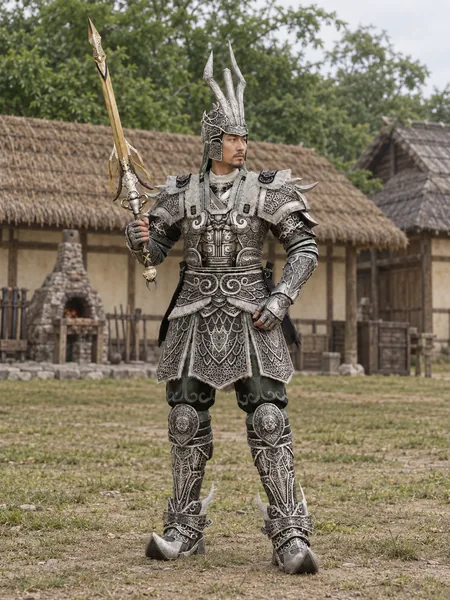
A character name is a beginning, not a biography. Explore imagined portraits beside the records and memories they lead back to.